
Arrest Warrants in Ascension Parish
An arrest warrant is a court order that puts one name on paper and lets officers take that person into custody. In Ascension Parish, a magistrate signs one only after reviewing a sworn affidavit and finding probable cause under La. C.Cr.P. art. 202. Which court issues it depends on the charge. Felony matters belong to the district court. Traffic cases, misdemeanors, and ordinance violations go to Ascension Parish Court. Confirm the issuing court before anything else. That court alone controls a warrant's status. Only that office can recall or quash the order. A citation that starts with city police can still belong to a different court, so always ask where the case was filed.
Arrest Warrant vs Search Warrant in Ascension Parish
Families in Ascension Parish sometimes confuse two very different orders. An arrest warrant names a person and authorizes custody. A search warrant works the other way: it lets officers go through a place or thing hunting for evidence, and La. C.Cr.P. art. 163 sets tight rules on how that search gets carried out. The distinction matters when you sit down with a court paper. A search warrant return inventories what officers seized, while an arrest warrant states the charge and directs that a specific person be brought in. One targets property; the other targets a person. Neither one works as a status check.
What an Ascension Parish Arrest Warrant Contains
Louisiana law sets the required contents. Under La. C.Cr.P. art. 203, the warrant must run in the state's name and carry the magistrate's signature.
| Issuing Court or Magistrate | The judge who signs the order and controls recall. |
|---|---|
| Issue Date and Place | When and where the magistrate issued it. |
| Person Named or Described | The person to arrest, named or described. |
| Offense Charged | The offense the affidavit supports. |
| Sworn Affidavit or Charging Document | The complaint, indictment, or information behind the probable cause finding. |
| Warrant or Case Number | The identifier the clerk uses to pull the file. |
| Bond Amount or Type | Bail set in a noncapital case or fixed later. |
| Command to Arrest and Book | The direction to peace officers. |
Ask the Ascension Parish clerk for the status line and the service return. Those entries show whether the warrant is still open.
Probable Cause for Ascension Parish Arrest Warrants
A sworn affidavit starts the process in Ascension Parish. The complainant, an officer, or a prosecutor swears out the offense, the date, and the place. The magistrate then weighs probable cause. If it exists, the warrant gets signed. In district court, a charge can also come by indictment or information under La. C.Cr.P. art. 496. The affidavit is a court record, but it is not automatically public while the case is open, since La. R.S. 44:3 lets agencies withhold law enforcement records.
Key point: La. C.Cr.P. art. 202 requires a sworn affidavit and a probable cause finding before a warrant issues.
The published rules of Ascension Parish Court cover the judge's arrest warrant authority, sessions, and bail.
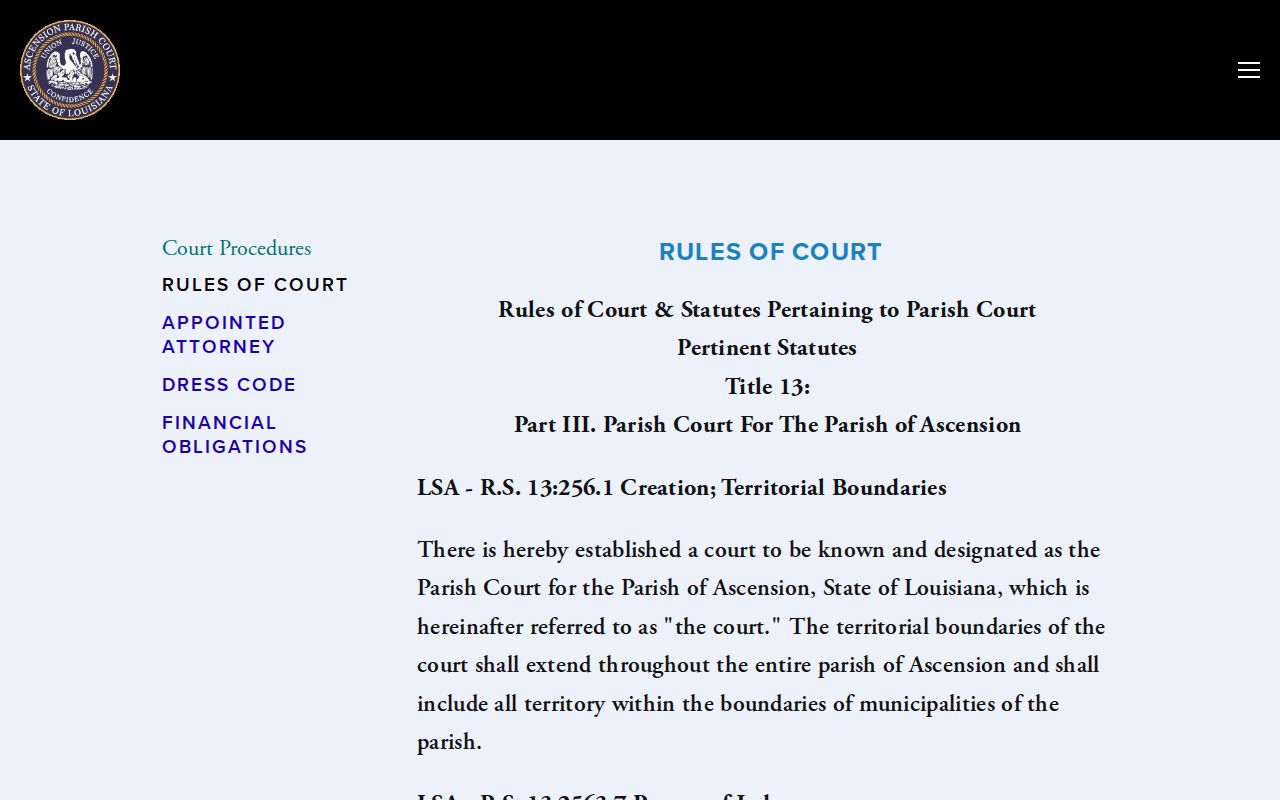
Those Ascension Parish Court rules place warrant and bail decisions with the judge's office.
How Ascension Parish Arrest Warrants Are Served
The Ascension Parish Sheriff's Office serves criminal warrants here. Its Criminal Services Unit handles every criminal warrant and document of arrest. City police serve city process, and La. C.Cr.P. art. 204 lets any authorized peace officer execute a warrant.
APSO Criminal Services and Warrants Division
828 S. Irma Blvd.
Gonzales, LA 70737
225-621-8308
Service can happen at home, at work, at a traffic stop, or at the courthouse. A warrant may also be executed in another parish. After arrest come booking and a first appearance.
Note: An out-of-town stop can still lead to an Ascension Parish case, because a warrant may be executed in another parish.
The 23rd JDC and Felony Arrest Warrants in Ascension Parish
Ascension Parish felony matters belong to the Twenty-Third Judicial District Court. That court covers Ascension, Assumption, and St. James Parishes, with original civil and criminal jurisdiction. Its judges and magistrates issue arrest warrants. Parish Court is a different bench. It handles traffic, misdemeanors, and ordinances, holding sessions in Gonzales, Donaldsonville, and Sorrento. A warrant on an indictment or information is district court process under La. C.Cr.P. art. 496, and it may not surface publicly before service. Unsure which court issued yours? The Ascension Parish Clerk of Court can trace the case number. Note: A district court warrant can stay out of public view until served, so confirm its status with the court itself.
Arrest Warrant vs Summons vs Bench Warrant
Not every charge in Ascension Parish starts with an arrest. A court can send a summons instead, ordering an appearance on a set date. Miss that date under a court order, and the judge may issue a bench warrant.
| Feature | Arrest Warrant | Summons | Bench Warrant |
|---|---|---|---|
| What It Orders | Custody of a person | An appearance | Custody after a missed obligation |
| Basis | Probable cause | A charge not needing custody | Failure to appear |
| Who Issues It | Judge or magistrate | Court or officer | Judge in the case |
| How to Respond | Surrender, bond, counsel | Show up | Recall or reappear |
A summons is answered by appearing in court, while an arrest warrant is answered through counsel, surrender, or bond. The Ascension Parish bench warrant page has the companion details.
Federal Arrest Warrants Reaching Ascension Parish
Federal arrest warrants come through federal procedure, and federal authorities serve them. Ascension Parish sits in the Middle District of Louisiana. The Middle Louisiana Fugitive Task Force handles regional fugitive work, though APSO is not one of its named participants. State and federal warrants are separate orders. Clearing one does not clear the other. The PACER case access system is the official federal docket route, but a sealed warrant may not appear there. PACER is a docket tool, not a warrant roster.
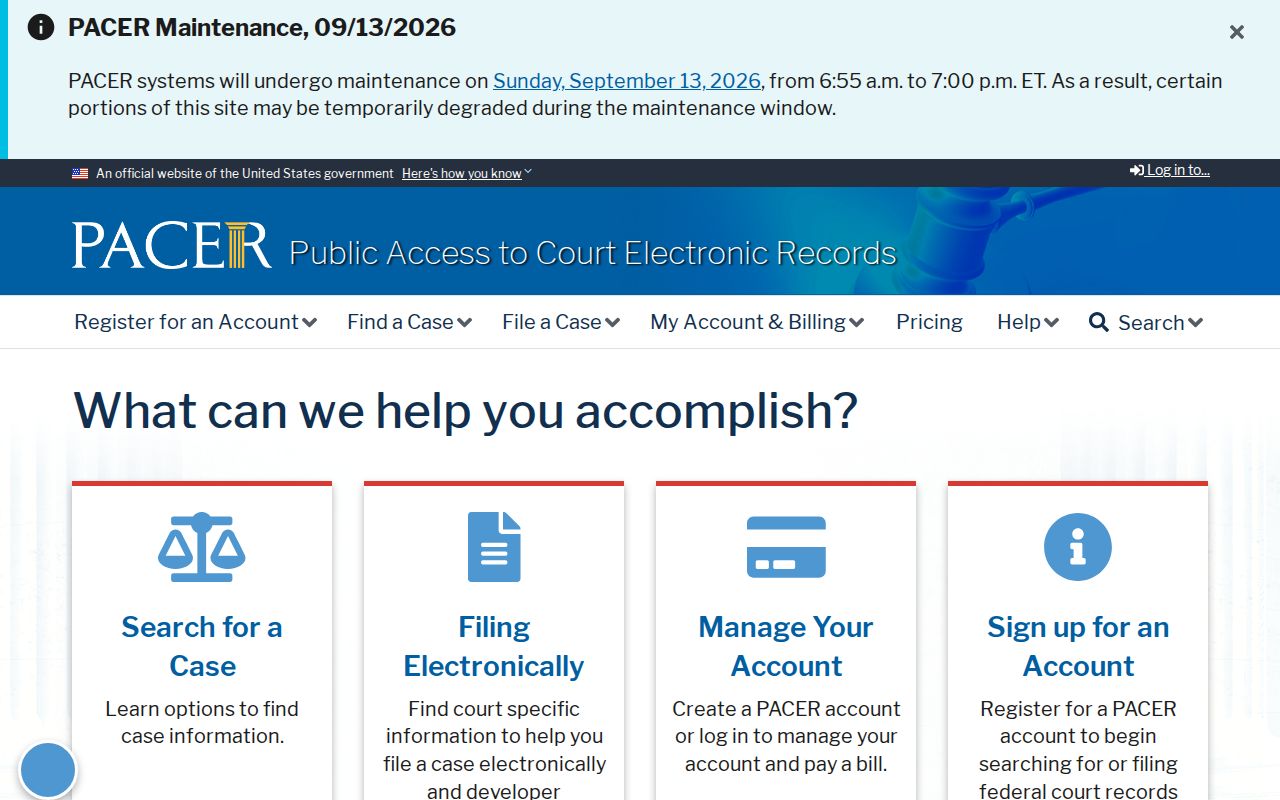
A missing docket entry does not rule out a sealed federal warrant reaching Ascension Parish, so call the court.
What to Do If There Is a Warrant for You
Confirm the warrant first. Ask the issuing court or APSO whether the Ascension Parish warrant is still active and what the court wants next.
Important: An open warrant can be served during a traffic stop or at a courthouse, so speak with a lawyer before you act.
- Call the issuing court or APSO to confirm the warrant's status.
- Speak with a lawyer. If you cannot afford one, call District 23 Public Defender at 225-647-9673.
- Ask whether the court will accept a voluntary surrender, and where.
- Ask how bond may be posted. La. C.Cr.P. art. 321 lists the forms and art. 326 the cash rules.
- Have counsel ask about a motion to recall or quash.
Clearing the warrant ends the order to arrest, not the case, which still moves through Ascension Parish court. The Ascension Parish warrant home page lists the county-wide steps.
Why No Ascension Parish Arrest Warrant Roster Is Reproduced
Ascension Parish publishes no public warrant roster. The sheriff posts no active warrant search, and Gonzales, Donaldsonville, and Sorrento list no municipal warrant lookup on their own. No statewide Louisiana warrant database exists either. The dependable route is a phone call to the issuing court, where the clerk can tell you whether a warrant is open. Records limits also matter: La. R.S. 44:3 lets agencies withhold law enforcement material during pending litigation, and juvenile records stay confidential. A blank result proves nothing. Note: a most wanted page is a public safety tool, not a full index of open warrants.